BallSheet Web Guide: Play the Browser Version the Right Way
A focused guide for BallSheet Web players who need the browser route, controls, focus behavior, score context, and search-result boundaries explained clearly.

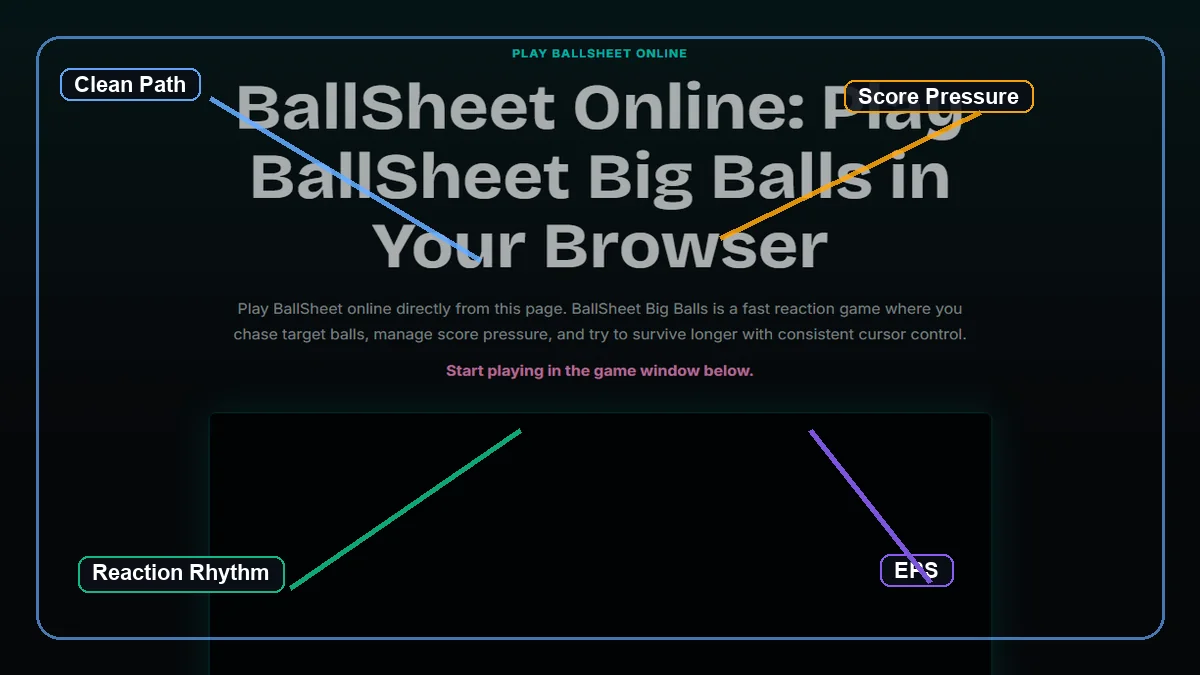
Use BallSheet Web when you want the fastest playable version: open the <a href="/" class="external-link">BallSheet online page</a>, click inside the game area, and play in the browser.
Quick Answer
Use BallSheet Web when you want the fastest playable version: open the BallSheet online page, click inside the game area, and play in the browser. Similarweb related-keyword data includes broad terms such as websheet, embed sports, and skee ball, so this page keeps the boundary tight: BallSheet Web means the browser BallSheet game, not a spreadsheet tool or unrelated sports embed.
Contents
What BallSheet Web Means
BallSheet Web refers to the browser version of BallSheet: the page-based game experience that runs without a separate installer. Searchers who use this phrase usually want to play quickly, confirm that the game is web-based, or understand why browser controls behave differently from a native remake.
This intent is narrower than the homepage. The homepage is the playable entry point. This guide explains the web environment around that entry point: browser focus, keyboard shortcuts, local score storage, score comparability, and when a download path is unnecessary.
It is also different from the Original BallSheet guide, which focuses on version identity, and from the download guide, which focuses on whether files are needed.
If you searched for the BallSheet Web game, this is the no-download browser route: play on the page first, then use the controls and score notes below to keep each run comparable.
BallSheet Web vs Download, OGL, and Local Builds
The web version is the default path for normal play. It launches from the page, keeps instructions nearby, and avoids installer decisions. For most players, that is the correct answer to BallSheet Web search intent.
BallSheetOGL and local builds can be useful for people who intentionally want a separate implementation, source-code workflow, or desktop-style experiment. They should not be treated as the same scoring environment as the browser version.
A clean rule is simple: play on the web for quick runs and learning; inspect OGL or source only when you have a technical reason. Keeping those paths separate prevents confusion when score, input, or rendering feels different.
| Path | Best use | Install needed | Score context |
|---|---|---|---|
| BallSheet WebInstant browser play | No | Compare with browser runs only | |
| BallSheetOGLNative remake testing | Usually yes | Keep separate from web scores | |
| Local source buildCode inspection | Only if you build it | Label the build and settings |
BallSheet Web Controls and Browser Focus
Because the game runs inside a web page, focus matters. If a key does nothing, click inside the game area first so the embedded canvas receives keyboard input. This is normal browser behavior, not a sign that the web version is broken.
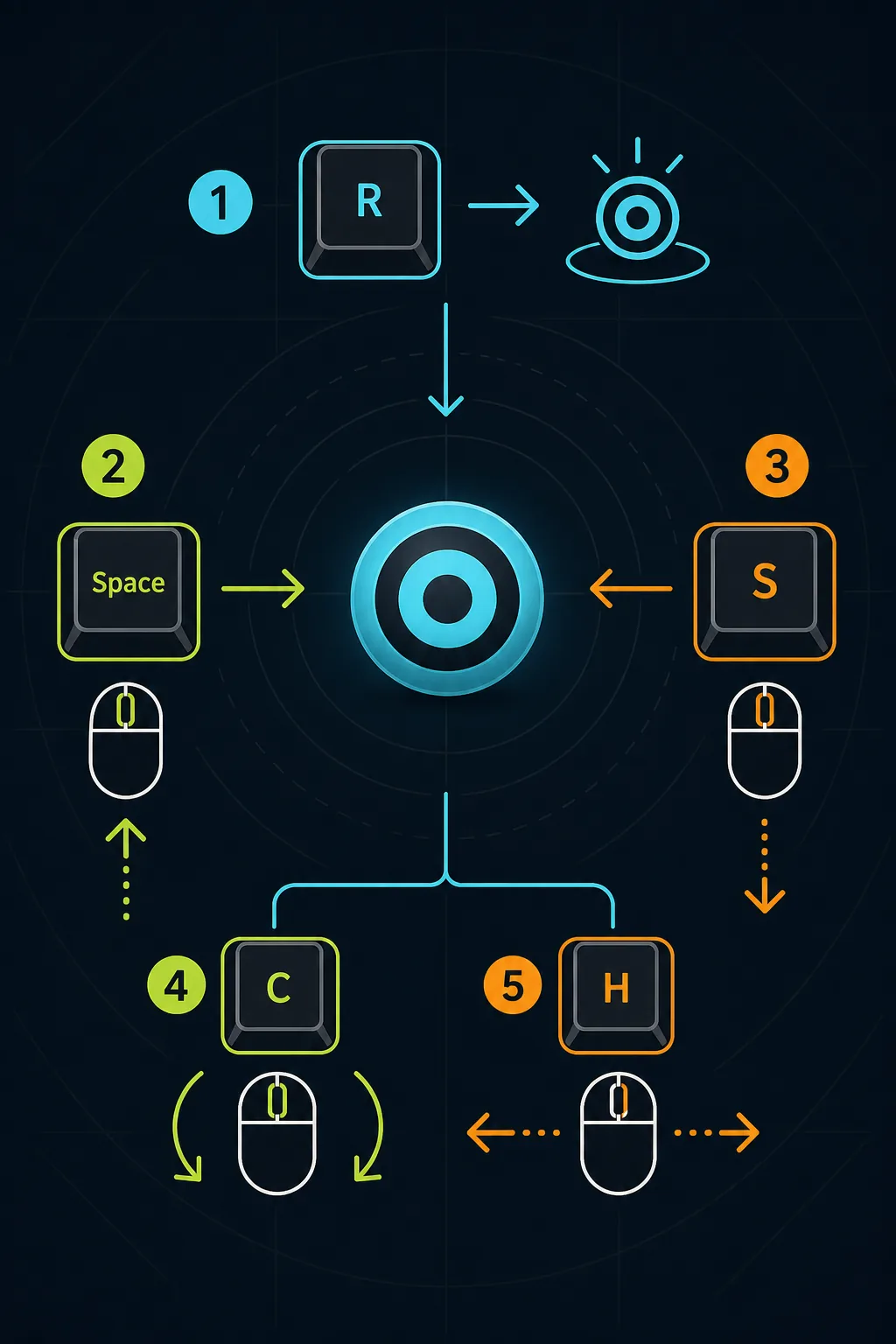
Common controls include R or Space to restart or end a run, S to toggle stats, C to change ball color mode, B to show or hide corner buttons, O for custom cursor mode, and H to reset high scores stored locally in the browser.
If you are on a smaller screen, use fullscreen when available and avoid browser zoom levels that make the play area feel cramped. The cleaner your input environment, the easier it is to judge reaction and cursor path quality.
| Control | Purpose | Web-version note | |
|---|---|---|---|
| R / SpaceRestart or end a run | Click the game area first if it does not respond | ||
| SToggle visible stats | Useful when reviewing reaction and EPS | ||
| C / B / O / HColor, buttons, cursor, high-score reset | Browser/local storage context |
How to Compare BallSheet Web Scores Fairly
Web scores are most useful when you compare them with other web scores from the same device, browser, and input setup. Reaction games are sensitive to frame timing, pointer behavior, focus, refresh rate, and hand fatigue.
Do not mix a browser run, an OGL run, and a local build run into one leaderboard unless you label the version. The core target-chasing idea may be similar, but the environment changes the meaning of the number.
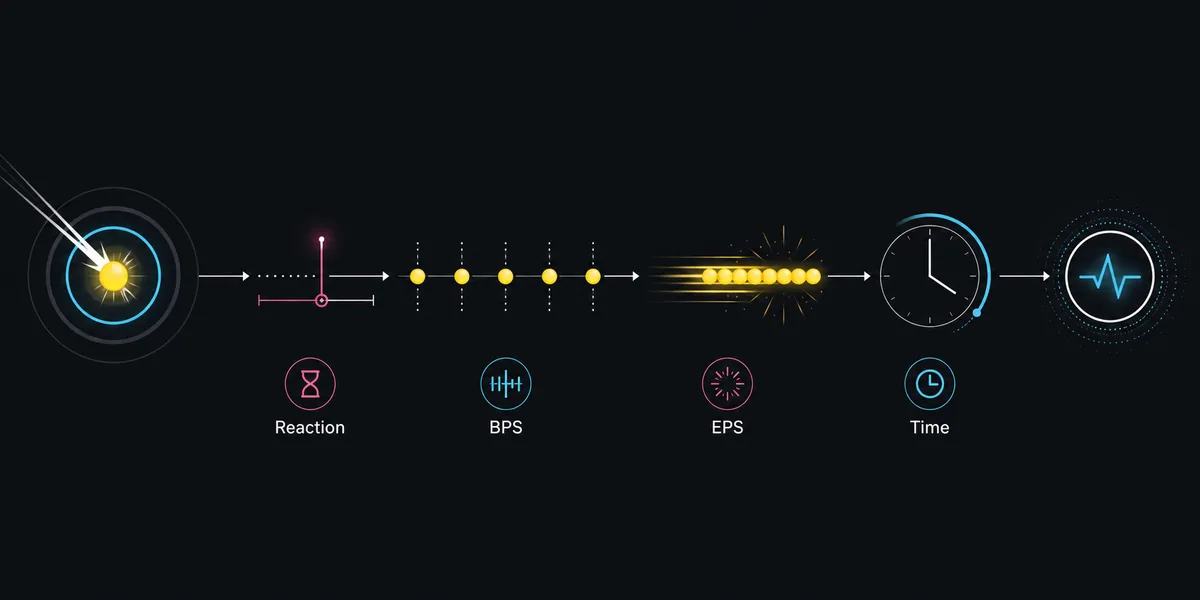
For steady improvement, track one stat per session. Average reaction, balls per second, run time, and EPS can all be useful, but they answer different questions. The best BallSheet Web score record includes date, browser version path, device, and the stat you were training.
Common BallSheet Web Issues and Fixes
If controls do not respond, click inside the game area, then try the shortcut again. If the page feels slow, close heavy tabs and avoid recording or streaming software during a serious run.
If the score feels different from a video or remake, check whether the other run used BallSheet Web, BallSheetOGL, or a local build. Version mismatch is one of the easiest ways to misread progress.
If a search result points to printable ball sheets, sports forms, or music sheets, add the exact spelling BallSheet Web, BallSheet browser game, or BallSheet Big Balls to keep the intent on the game.
BallSheet Web Search Boundaries: Websheet, Embeds, and Sports Results
Similarweb keyword generator data for ballsheet web returned no useful phrase-match or question keywords, while the related tab mixed in broad terms such as websheet, embed sports, skee ball, and unrelated web services. Those terms show why the page needs a clearer boundary instead of broader keyword stuffing.
BallSheet Web should mean the browser version of the BallSheet reaction game. It should not be optimized as a spreadsheet page, a sports-streaming embed page, or a generic arcade ball game page. Users who arrive with that mixed intent need a fast answer: this page explains the browser route, focus behavior, controls, score context, and when to use the download or OGL guides instead.
For internal navigation, use “BallSheet Web” or “browser BallSheet game” as the anchor when linking to this page. Use “BallSheet download” for installer/no-install questions and “Original BallSheet” for version identity. That keeps each existing page from competing with the others.
FAQ
Related BallSheet Guides
Last updated: August 12, 2026
Play BallSheet Web