Ball Sheet Pro Plays: 7 Practical Ways to Improve Your BallSheet Runs
A player-focused BallSheet strategy guide for cleaner cursor paths, steadier reaction rhythm, better pressure decisions, and version-aware practice review.

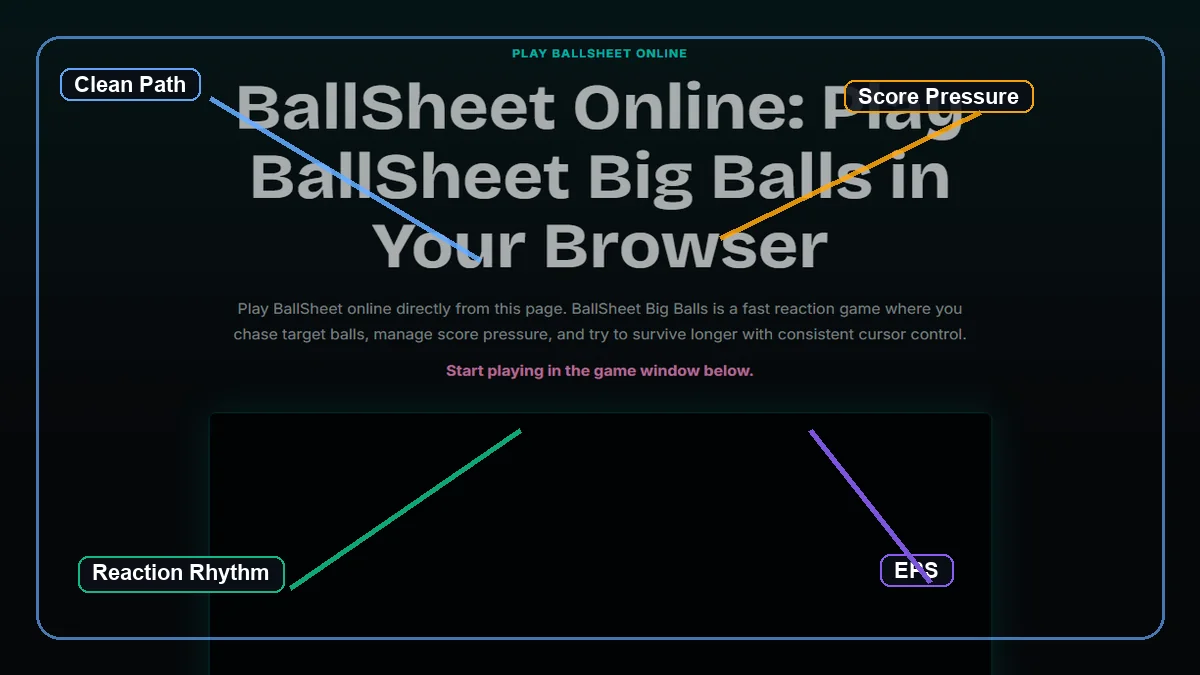
Real BallSheet browser gameplay with editorial callouts showing what advanced players watch during a run.
Quick Answer
The best Ball Sheet pro plays are practical habits, not secret exploits: clean cursor paths, early pressure reads, calm recovery, and one-stat practice sessions. Similarweb related keywords for this seed are dominated by unrelated sports-ball and celebrity terms, so this guide deliberately stays inside the BallSheet reaction-game boundary.
Contents
What Ball Sheet Pro Plays Mean in BallSheet
When players search for ball sheet pro plays, they usually want more than the basic rule of moving into the next target ball. They want to know how better players stay alive longer, keep their score from collapsing, and make the results screen useful instead of random.
BallSheet is minimal on purpose. There are no builds, weapons, character classes, or upgrade paths to hide behind. The skill ceiling comes from small movement decisions: how directly you move to the target, how soon you correct a bad path, how calmly you restart, and whether you understand what the stats are telling you.
This guide keeps that intent separate from the homepage. The homepage is for playing BallSheet online immediately. This page is for players who already understand the loop and want a practical improvement plan.
Use ball sheet pro plays as a practical BallSheet strategy label: one movement habit, one pressure decision, and one review metric per session. Keep browser and OGL runs separate.
7 BallSheet Pro Plays to Practice
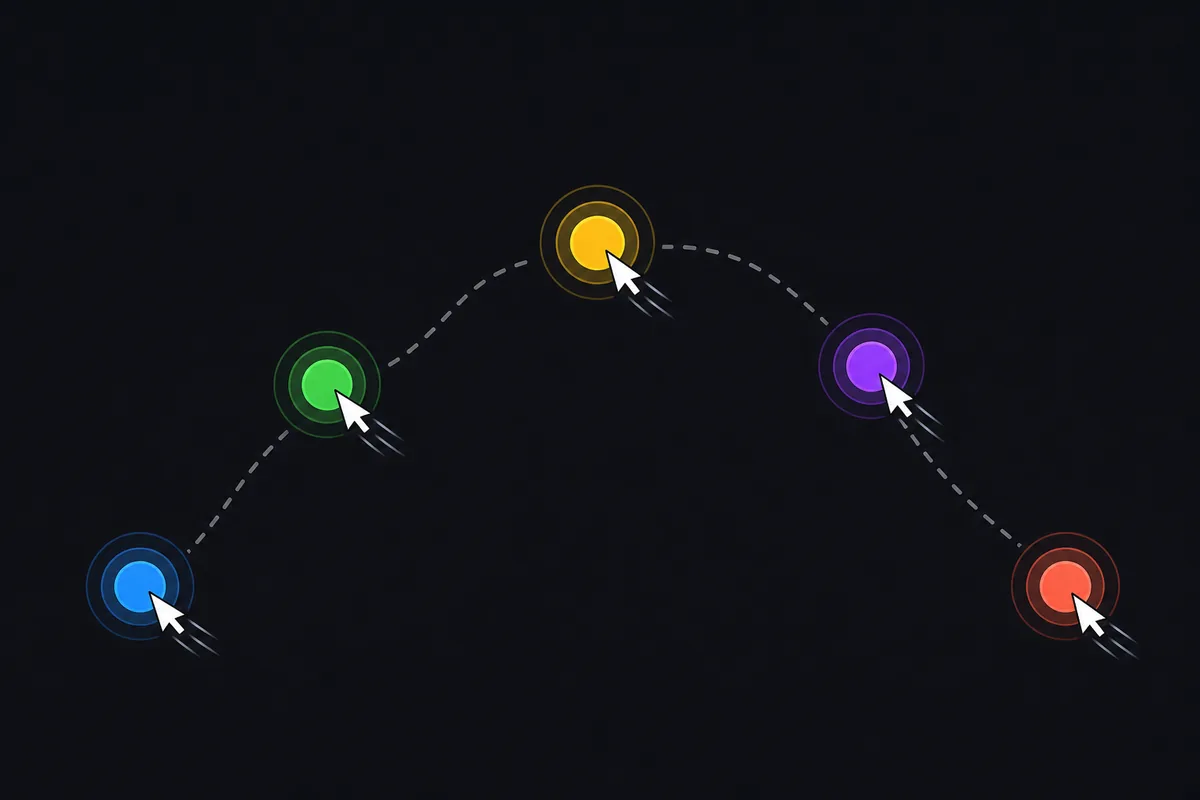
1. Aim for the center path, not the prettiest path. Move toward the target with the fewest corrections. A slightly slower direct route usually beats a flashy curve that overshoots the ball and forces a recovery.
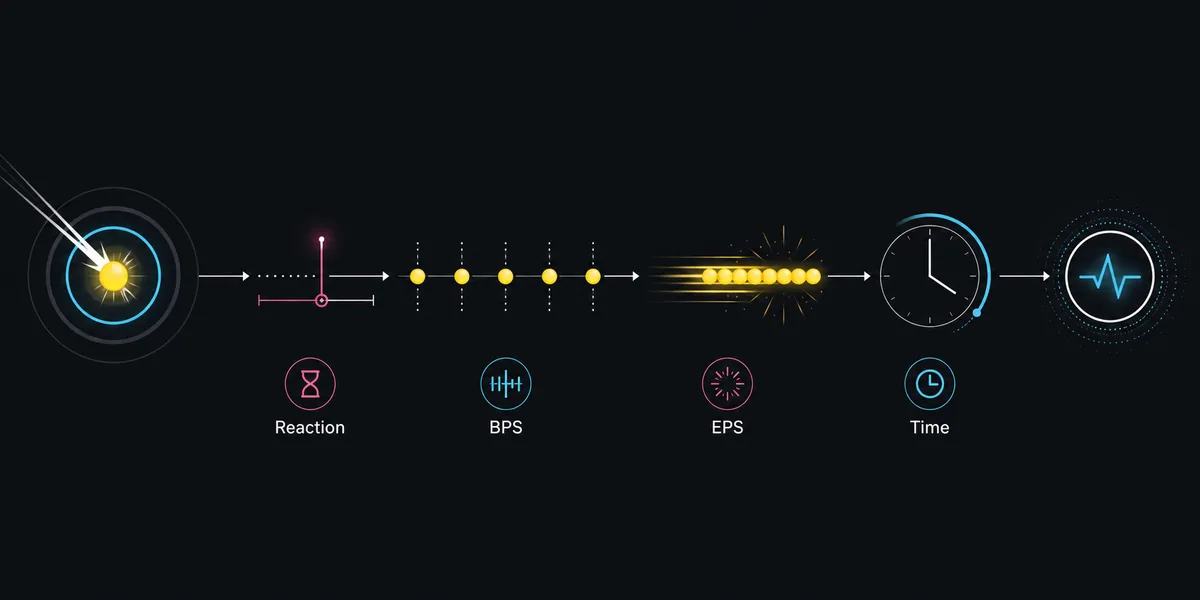
2. Stop chasing panic speed. A single fast hit feels good, but BallSheet rewards repeatable rhythm. If your average reaction improves while balls per second collapses, you may be rushing one movement and losing the next three.
3. Read pressure before it becomes urgent. Score pressure drains while you move. Advanced players react to the trend early, not only when the run is nearly over.
4. Keep your cursor ready after each hit. Do not relax after reaching a target. The next spawn is the next decision, so keep your hand loose and ready to redirect.
5. Use short restarts deliberately. Press R or Space when a practice run has already lost its purpose. Restarting is useful when you are training one habit, but it should not become an excuse to ignore recovery practice.
6. Review the same stat every session. Pick average reaction, balls per second, EPS, or survival time. Watching one metric for ten runs teaches more than scanning every number without a plan.
7. Label your version. Browser BallSheet, BallSheetOGL, and local builds may feel different. Keep score notes tied to the version so your progress record stays fair.
| Pro play | What it improves | What to watch | |
|---|---|---|---|
| Cleaner cursor pathMove with fewer corrections | Reaction consistency | Overshoot count and recovery time | Best inside browser runs |
| Pressure readNotice score drain early | Longer survival | Late-run mistakes and panic movement | Compare similar session lengths |
| Stat focusTrack one metric per session | Useful practice loops | Average reaction, balls/s, EPS, or time | Do not mix OGL and browser scores |
How Pro Players Think About Score Pressure
Score pressure is the part of BallSheet that turns a simple target chase into a real reaction challenge. Early in a run, mistakes are easier to absorb. Later, the same hesitation can end the run because the score buffer is smaller and the pace feels harsher.
A common beginner mistake is to treat every target as an isolated click or touch. Better players treat the run as a chain. A messy movement does not end after one hit; it often leaves the hand tense, the cursor badly positioned, and the next decision rushed.
For practical training, divide a run into three phases. In the opening phase, focus on clean movement. In the middle phase, keep rhythm and avoid overcorrection. In the late phase, accept safer direct lines instead of trying to rescue the run with one impossible burst.
Useful rule
If one target makes you tense, the next target is the real test. Pro BallSheet play is mostly recovery quality under rising pressure.
A Simple BallSheet Practice Routine
Use a short routine so practice does not turn into random restarting. First, play three warm-up runs with no scoring goal. Use those runs to feel the game area, pointer speed, and browser focus.
Next, choose one focus for five serious runs. For example, you can train only direct cursor paths, only late-run calm, or only average reaction. Write down the version, the focus, and one stat after each run.
Finally, play two review runs where you stop thinking about mechanics and simply try to play normally. If the focus habit survives when you are not consciously forcing it, the session worked.
This routine is intentionally small. BallSheet is fast, and fatigue can distort your movement. Short sessions give cleaner feedback than a long streak of frustrated attempts.
| Phase | Runs | Goal | |
|---|---|---|---|
| Warm-up3 runs | Get comfortable with the browser game area | Do not judge the score | Reset attention and hand tension |
| Focused practice5 runs | Train one habit only | Record one chosen stat | Avoid changing versions |
| Review2 runs | Check whether the habit sticks | Play naturally | Compare with the same session |
Where BallSheet Fits in Aim-Trainer Practice
BallSheet often appears beside aim-trainer terms because the game feels like a reactive target-switching drill. The useful overlap is not raw clicking speed; it is fast recognition, clean pointer travel, and recovery after a target spawns in an awkward place.
If you also practice in an aim trainer, keep BallSheet as a short pressure drill. Run it after warmups when your hand is loose, then review whether misses came from overflicking, slow recognition, or late pressure panic.
Do not copy sensitivity, score targets, or rankings blindly from other games. BallSheet has its own browser focus behavior, pressure formula, and version differences, so the best pro play is still version-aware consistency.
| Practice goal | BallSheet habit | Review metric | |
|---|---|---|---|
| Target switchingTake the shortest clean route to the next ball | Fewer overshoots | Average reaction and balls/s | Use browser runs only |
| Pressure controlKeep rhythm when score drain rises | Longer survival | Run time and late errors | Compare similar sessions |
| RecoveryReset hand tension after a bad path | Stable follow-up hits | Next-target reaction | Do not chase one lucky burst |
Keyword Boundary: Pro Plays, Not Generic Sports Ball Queries
Similarweb keyword generator data for ball sheet pro plays returned no useful phrase-match or question keywords. The related tab was high volume but mostly unrelated, including soccer ball, pickleball ball, and other broad sports-ball terms. Those terms have transactional or generic informational intent, not BallSheet strategy intent.
For this page, that means “pro plays” should stay tied to BallSheet movement decisions: cursor routes, pressure reads, recovery, stat review, and same-version scoring. It should not become a soccer-ball, pickleball, or general sports equipment article.
Use this page for advanced BallSheet practice after the rules are understood. Use the how-to-play guide for beginner rules, BallSheet Web guide for browser setup, and reaction time training guide for a more structured training routine.
Keep Pro Plays in the Right BallSheet Version
The browser version is the best default for practicing the plays in this guide because it is the version most players can open instantly. If you need version background, read the Original BallSheet guide before comparing names or forks.
If you are exploring a native remake, read the BallSheetOGL guide and the BallSheet download guide. Native builds and browser runs can differ enough that score notes should stay separate.
For aim-specific warmups outside the main game, the mouse accuracy game can help you notice overshooting and hand tension. Treat it as a supporting drill, not as a replacement for BallSheet runs.
Recommended path
Play browser BallSheet first, train one habit at a time, then inspect OGL or download paths only if you intentionally want a different implementation.
FAQ
Related BallSheet Guides
Last updated: August 12, 2026
Play BallSheet